Industry Benchmarks: What Is a Good Profit Margin in 2026
Profit margin benchmarks help businesses understand how their performance compares to others in the same sector. While exact figures vary by region, size, and business model, industry averages provide useful reference points. In 2026, rising labor costs, digital fees, and supply chain adjustments continue to influence profitability across industries. Businesses that monitor benchmarks can identify whether their margins are competitive, weak, or unusually strong. However, benchmarks should be used as guides rather than targets. A margin that is “good” for one company may be risky for another depending on debt levels, growth plans, and operating structure.
Retail and Wholesale Businesses
Retail and wholesale businesses typically operate on thin margins due to high competition and price sensitivity. In 2026, many retailers report net profit margins between 2% and 6%, while wholesalers often range from 1% to 4%. Gross margins may reach 25% to 40%, but operating costs reduce final profitability. Large chains benefit from volume and supplier discounts, while small retailers face higher per-unit costs. Online retail margins are often lower due to shipping and platform fees. Successful retailers focus on inventory management, private labels, and efficient logistics to protect margins.
Food and Hospitality Industry
Restaurants, cafes, and hotels face some of the toughest margin conditions. Average net margins in food service range from 3% to 8%, while hotels may reach 8% to 15% in strong markets. High labor costs, food waste, rent, and seasonal demand create constant pressure. Price increases are difficult because customers are sensitive to value. Profitability depends on portion control, supplier relationships, and staff productivity. Businesses that fail to monitor margins closely often struggle during slow periods or economic downturns.
Technology and SaaS Companies
Technology and software-as-a-service companies often achieve higher margins due to low marginal costs. Once a product is built, each additional customer adds little expense. Net profit margins between 15% and 30% are common among established firms, while gross margins can exceed 70%. However, early-stage companies may operate at losses while investing in growth. Customer acquisition costs and infrastructure expenses affect margins. Long-term success depends on retaining users, controlling marketing spend, and scaling efficiently.
Freelancers and Consultants
Freelancers and consultants usually rely on personal expertise, which allows for higher margins. Net profit margins of 40% to 70% are possible when overhead is low. However, these margins depend on accurate time tracking and fair pricing. Hidden costs such as unpaid admin work, marketing, and software subscriptions reduce real profit. Professionals who price based only on hourly rates often underestimate true costs. Strong margins come from specialization, repeat clients, and clear service packages.
Why “Average Margins” Can Be Misleading
Average margins hide important differences between businesses. Averages combine high performers and struggling firms, creating figures that may not reflect realistic goals. Location, brand strength, customer loyalty, and scale all influence margins. A small retailer in a rural area faces different costs than a large urban chain. Seasonal businesses show wide fluctuations. Using averages without context can lead to poor decisions. Businesses should compare themselves to similar companies and focus on trends over time rather than isolated benchmark figures.
How to Improve Your Profit Margin Without Losing Customers
Improving profit margin does not require raising prices aggressively or cutting service quality. Sustainable improvement comes from thoughtful adjustments to pricing, operations, and customer value. Businesses that focus only on short-term profit often damage reputation and retention. Long-term margin growth depends on balancing customer trust with financial discipline. This section outlines practical strategies that protect loyalty while strengthening profitability.
Strategic Pricing Adjustments
Pricing is influenced by psychology as well as mathematics. Customers respond to perceived value, not just numbers. Small price increases combined with improved packaging, service, or guarantees often face less resistance than expected. Using price tiers, bundles, and anchor pricing can guide buying behavior. From a mathematical view, even a 3% price increase can raise profit by more than 10% if costs remain stable. Regular price reviews based on data help businesses stay competitive without sacrificing margins.
Cost Reduction Without Quality Loss
Reducing costs should focus on efficiency rather than shortcuts. Streamlining workflows, automating repetitive tasks, and improving scheduling reduce waste without affecting customers. Reviewing supplier contracts, energy usage, and inventory turnover often reveals savings. Employee training improves productivity and reduces errors. Quality should never be sacrificed for short-term savings, as poor quality leads to returns, complaints, and lost trust. Sustainable cost reduction strengthens margins while maintaining brand reputation.
Supplier Negotiation Techniques
Strong supplier relationships can significantly improve margins. Negotiation begins with research on market prices and alternative vendors. Ordering in bulk, committing to longer contracts, or paying early can justify discounts. Clear communication about volume forecasts helps suppliers plan and offer better terms. Reviewing contracts annually prevents outdated pricing. Businesses that treat suppliers as partners rather than adversaries often secure better pricing, faster service, and priority during shortages.
Increasing Per-Customer Value
Increasing revenue per customer improves margins without raising acquisition costs. Upselling encourages customers to choose higher-value options. Bundling combines related products at attractive prices. Loyalty programs promote repeat purchases. Personalized recommendations improve conversion rates. For service businesses, offering maintenance plans or extended support creates recurring income. These strategies deepen customer relationships while increasing average transaction value.
Eliminating Hidden Profit Leaks
Hidden costs quietly erode margins. Subscription tools that are rarely used, high return rates, excessive packaging, and inefficient shipping create losses. Payment processing fees and chargebacks reduce net revenue. Waste from overproduction or expired inventory is another major leak. Regular audits of expenses, returns, and operational processes help identify weak points. Eliminating small leaks often produces large long-term gains.
Common Profit Margin Mistakes That Destroy Businesses
Many businesses fail not because of poor products but due to repeated financial mistakes. These errors weaken margins gradually until recovery becomes difficult. Understanding common pitfalls helps owners recognize warning signs early and correct course before damage becomes permanent.
Underpricing to Win Customers
Competing mainly on low prices leads to shrinking margins and limited reinvestment capacity. While discounts can attract attention, they often attract price-sensitive customers with low loyalty. Over time, businesses struggle to cover costs and improve quality. Sustainable success depends on value-based pricing that reflects expertise, reliability, and service rather than constant discounts.
Ignoring Fixed Costs
Fixed costs such as rent, salaries, insurance, and licenses must be covered regardless of sales volume. Many businesses focus only on variable costs and forget these obligations. As a result, pricing fails to generate enough contribution to support overhead. Ignoring fixed costs leads to cash shortages even during strong sales periods.
Misreading Financial Statements
Poor understanding of financial reports causes flawed decisions. Confusing cash flow with profit, ignoring depreciation, or misclassifying expenses distorts margin analysis. Inaccurate bookkeeping leads to false confidence. Regular reviews with qualified professionals help ensure that margins reflect reality rather than accounting errors.
Overexpansion Without Margin Control
Rapid growth without margin monitoring creates strain. New locations, staff, or product lines increase costs before revenue stabilizes. If margins are weak, expansion amplifies losses. Many companies fail during growth phases because they scale inefficient models. Controlled expansion based on solid margins reduces this risk.
Emotional Pricing Decisions
Pricing driven by fear, competition, or personal feelings often ignores data. Lowering prices due to anxiety about losing customers or raising them impulsively damages stability. Effective pricing relies on cost analysis, market research, and testing. Emotional decisions undermine long-term profitability.
How Profit Margin Affects Long-Term Business Valuation
Profit margin plays a central role in how businesses are valued by investors, buyers, and lenders. Strong margins indicate efficiency, control, and growth potential. Weak margins raise concerns about sustainability. This section explains how margins influence valuation and exit opportunities.
Relationship Between Margin and Company Valuation
Valuation often depends on earnings multiplied by industry-specific factors. Higher margins lead to higher earnings from the same revenue. For example, two companies with $1 million revenue may have very different values if one earns 20% profit and the other earns 5%. Investors reward businesses that convert sales into profit efficiently. Consistent margins also reduce perceived risk.
How Investors Evaluate Profitability
Venture capital and private equity firms analyze margins closely. They examine trends, stability, and scalability. Temporary losses may be acceptable if margins are improving. Persistent low margins suggest structural problems. Investors prefer companies that can grow without sacrificing profitability. Transparent reporting and realistic projections improve credibility.
Profit Margins and Exit Strategies
Business owners planning to sell must focus on margin improvement years in advance. Buyers value predictable, strong profit streams. Improving margins before sale increases bargaining power and final price. Businesses with weak margins often face lower offers or extended sale timelines. Margin optimization is one of the most effective exit preparation strategies.
Building a Margin-Driven Growth Model
A margin-driven model prioritizes profitable growth. It includes regular cost reviews, disciplined pricing, and performance monitoring. Leaders align incentives with margin targets and train teams to understand financial impact. This framework ensures that expansion strengthens rather than weakens the business. Over time, margin discipline builds resilience and investor confidence.
Frequently Asked Questions About Profit Margin
What Is a Good Profit Margin for Small Businesses?
A good profit margin for small businesses usually ranges from 10% to 20%, depending on industry and structure. Service-based businesses may exceed this range, while retail often falls below it. The key factor is consistency. A stable 12% margin may be healthier than an unstable 25% margin. Business owners should compare margins to similar companies and track trends over time. Improvement matters more than hitting a fixed target.
Is a 50% Profit Margin Realistic?
A 50% profit margin is realistic in some industries, especially consulting, digital products, and specialized services. It is less common in retail, manufacturing, or hospitality due to high costs. Achieving such margins requires strong differentiation, loyal customers, and low overhead. Businesses should aim for realistic targets based on market conditions rather than copying figures from unrelated sectors.
How Often Should I Calculate My Margin?
Most businesses should calculate profit margin at least monthly. High-volume or fast-changing operations may benefit from weekly reviews. Regular tracking helps detect rising costs or pricing issues early. Annual calculations alone are insufficient for active management. Frequent analysis supports timely adjustments and better financial control.
Does High Revenue Mean High Profit?
High revenue does not guarantee high profit. A business can generate large sales volumes while earning little due to thin margins. Marketing expenses, discounts, and operational inefficiencies reduce profit. Margin analysis reveals whether revenue growth actually improves financial health. Profit, not sales, determines sustainability.
Can Profit Margins Be Negative?
Yes, profit margins can be negative when costs exceed revenue. This situation indicates losses. Temporary negative margins may occur during startup or expansion phases. Persistent negative margins signal serious problems. Businesses should analyze causes quickly and take corrective action to avoid long-term damage.
How Do Taxes Affect Profit Margins?
Taxes reduce net profit and therefore lower net profit margin. Corporate income tax, payroll taxes, and sales taxes all influence final results. Effective tax planning and compliance help minimize unnecessary burden. Businesses should consider after-tax margins when evaluating performance and investment decisions.
Should I Prioritize Growth or Margin?
Growth and margin must be balanced. Rapid growth with weak margins increases risk. Strong margins with no growth limit long-term potential. Sustainable success comes from growing revenue while maintaining or improving margins. Businesses should test growth strategies carefully to protect profitability.
How This Profit Margin Calculator Was Developed and Verified
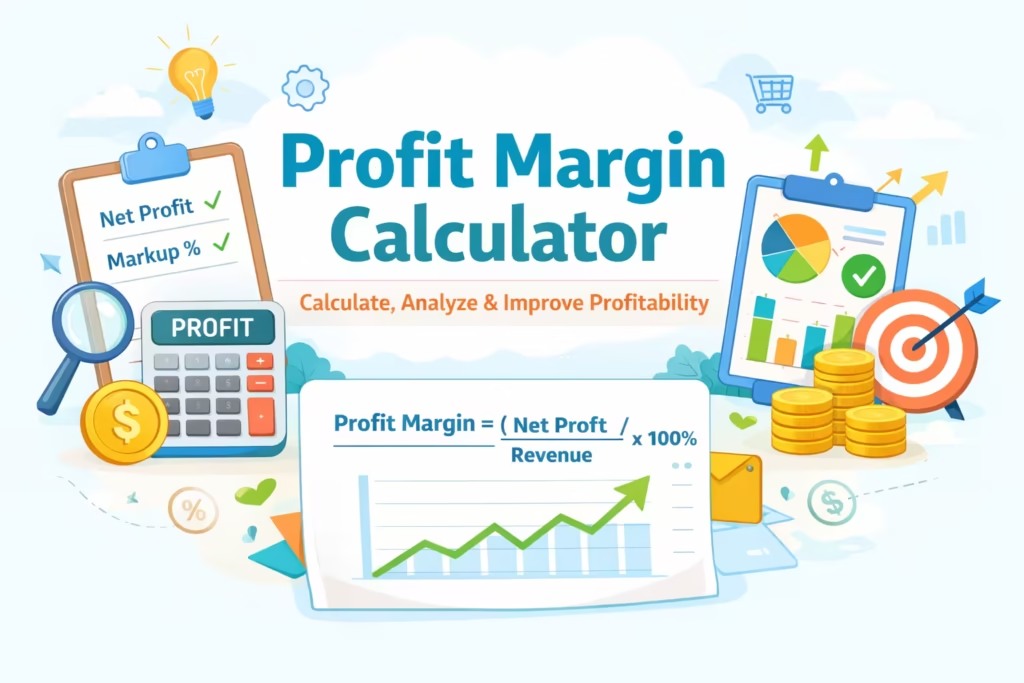
This profit margin calculator is based on standard financial formulas used in accounting and business analysis. The calculation logic follows widely accepted methods for determining net profit, margin percentage, and markup. Inputs are processed using transparent mathematical rules to ensure consistency. The tool has been tested with multiple scenarios from retail, service, and online businesses to verify accuracy. Limitations are clearly stated, and users are encouraged to validate results with professional financial advice when needed. Regular updates ensure compatibility with modern devices and changing business practices.
Final Thoughts: Turning Profit Margins Into Competitive Advantage
Profit margin is more than a financial metric; it is a measure of discipline, strategy, and long-term thinking. Businesses that understand and manage margins consistently gain flexibility, stability, and credibility. By using this calculator alongside careful analysis, owners can make informed pricing, investment, and growth decisions. Strong margins create room for innovation and resilience during difficult periods. Over time, margin awareness becomes a competitive advantage that separates sustainable businesses from those that struggle to survive.