icon

Capital Gains Tax Calculator (U.S.)

Estimate your U.S. capital gains tax in seconds.
Use this calculator to see how much tax you may owe when selling stocks, crypto, or other investments. Enter your purchase price, sale price, income, and holding period to compare short-term and long-term tax outcomes. You’ll get a clear breakdown of your capital gain or loss, estimated federal tax, effective tax rate, and net proceeds after tax, so you can make informed decisions before you sell, not after.

Capital Gains Tax Calculator

Calculate your capital gains tax and optimize your investment strategy

📊 Input Your Investment Details

📋 Tax Calculation Results

💎 Capital Gain/Loss
$0.00
💸 Tax Owed
$0.00
📊 Effective Tax Rate
0%
💰 Net Proceeds After Tax
$0.00
📊 Short-term vs Long-term Tax Comparison
Short-term Tax
$0
Long-term Tax
$0
Potential Savings: $0

📝 Detailed Tax Breakdown

Purchase Price: $0.00
Sale Price: $0.00
Transaction Expenses: $0.00
Taxable Gain: $0.00
Tax Rate Applied: 0%
Total Tax Due: $0.00

💡 Tax Optimization Recommendations

Enter your investment details to receive personalized recommendations.

⚠️ Important Disclaimer

This calculator provides estimates for educational purposes only and should not be considered as professional tax advice. Capital gains tax calculations can be complex and may vary based on numerous factors including but not limited to: state taxes, AMT (Alternative Minimum Tax), Net Investment Income Tax (NIIT), specific investment types, and other personal financial circumstances. Always consult with a qualified tax professional or CPA for accurate tax planning and advice specific to your situation. Tax laws and rates may change, and this calculator reflects current federal tax rates only.

Capital Gains Tax Calculator (U.S.): Calculate Short-Term and Long-Term Taxes Accurately

Capital gains tax often becomes a concern only after an asset is sold, when the financial result is already locked in and mistakes can no longer be corrected. Many investors, traders, and everyday asset holders struggle to understand how much tax they actually owe, why the number feels higher than expected, or whether holding an asset longer would have made a meaningful difference. This CalcViva’s Capital Gains Tax Calculator (U.S.) exists to solve that problem early, clearly, and realistically. Capital gains tax is the federal tax applied to profits made from selling assets such as stocks, cryptocurrency, or property. Calculating it correctly matters because tax rates depend on income level, holding period, and filing status, not just profit alone. Estimating tax with a calculator helps with planning, while filing taxes requires official IRS forms and final documentation. This calculator is built for long-term investors, short-term traders, crypto users, and individuals selling high-value assets. What sets it apart is its income-aware logic, filing-status accuracy, short-term versus long-term comparison, and clear recommendations that explain how decisions affect real after-tax outcomes.

What Is Capital Gains Tax and Why It Applies to Investment Profits

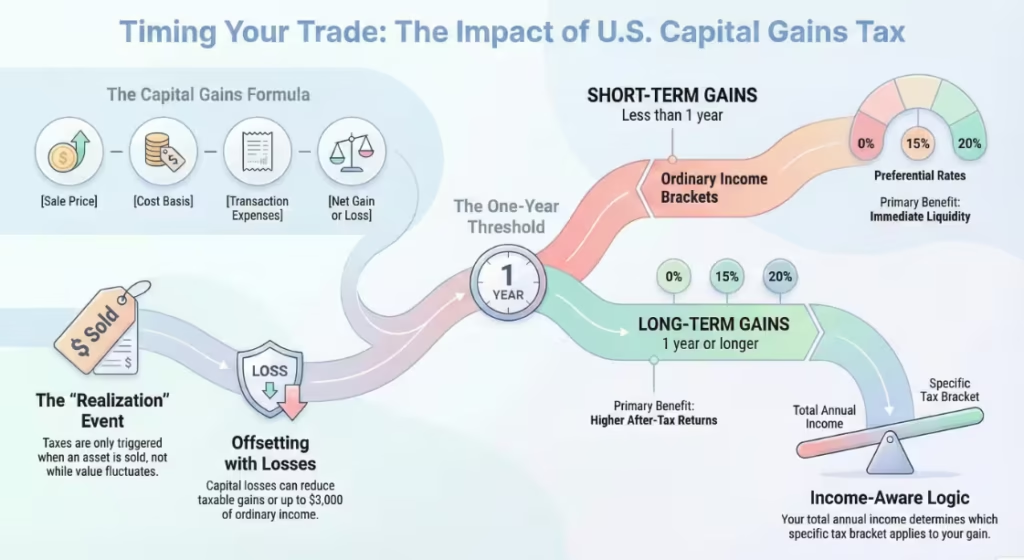
Capital gains tax is a federal tax imposed on the profit earned from selling a capital asset for more than its original cost. Capital assets include commonly traded investments such as stocks, ETFs, and mutual funds, as well as cryptocurrency and certain types of real estate. A taxable capital gain occurs only when an asset is sold or exchanged, an action known as a realization event. Until that point, gains remain unrealized and are not taxed. Capital gains can be positive or negative, meaning a profit or a loss. Gains increase taxable income, while losses may reduce it. Capital gains are taxed differently from wages because the tax system aims to encourage long-term investment and market stability. Unlike ordinary income, capital gains often qualify for special rates based on how long the asset was held. This distinction plays a key role in investment planning and is why accurate calculation matters for individuals managing both short-term and long-term financial decisions.

Capital Gains Tax Calculator

How Capital Gains Tax Is Calculated in the United States

Asset Category

Holding Period

Tax Treatment

Tax Rates Applied

Common Adjustments

Calculation Formula

Impact of Income (Inferred)

Stocks, ETFs, Mutual Funds, and Cryptocurrency

Long-Term (one year or more)

Preferential federal tax treatment

0%, 15%, or 20% (plus potential 3.8% Net Investment Income Tax for high earners)

Brokerage fees, commissions, or cost basis modifications

Sale Price−Cost Basis−Transaction Expenses

A taxpayer’s filing status and total taxable income determine which of the three preferential thresholds they fall into; higher earners may also trigger the additional 3.8% NIIT.

Stocks, ETFs, Mutual Funds, and Cryptocurrency

Short-Term (less than one year)

Taxed as ordinary income

Ordinary income brackets (marginal rates)

Brokerage fees, commissions, or exchange fees

Sale Price−Cost Basis−Transaction Expenses

As short-term gains are added to wages, higher total income can push the taxpayer into a higher marginal tax bracket, increasing the tax rate on both the gain and other income.

General Capital Assets (Loss Scenario)

Short-Term or Long-Term

Capital loss offset

N/A (reduces taxable income)

Transaction expenses

Sale Price−Cost Basis−Transaction Expenses

Losses first offset gains; if a net loss remains, up to $3,000 can reduce ordinary income, lowering the overall tax liability for that year regardless of the income bracket.

In the United States, capital gains tax is calculated using a structured process that considers asset value, holding period, and income level. The Internal Revenue Service applies different tax rules depending on whether the gain is short-term or long-term, and whether the taxpayer falls within certain income brackets. The calculation begins with identifying the correct cost basis and sale value, then adjusting for eligible expenses. After the gain or loss is determined, tax rates are applied based on filing status and total income. This system means that two people selling the same asset for the same profit may owe very different amounts in tax. Calculators play an important role by modeling these rules clearly and consistently, helping taxpayers estimate outcomes before making a sale. Understanding how the calculation works builds confidence and reduces the chance of surprises at tax time.

The Capital Gains Tax Formula Explained

The capital gains tax formula follows a clear sequence that applies to most taxable assets. First, identify the sale price, which is the total amount received from selling the asset. Next, subtract the purchase price, also known as the cost basis, which may include original purchase cost and certain adjustments. Transaction expenses such as brokerage fees or commissions are then deducted. The result is the net capital gain or capital loss. If the final number is positive, it represents taxable profit. If it is negative, it represents a loss that may offset other gains. This calculation forms the foundation of capital gains taxation and applies consistently across assets like stocks, ETFs, and cryptocurrency. While the formula is simple in structure, applying it accurately requires careful attention to income, holding period, and filing status.

How Income Level Affects Capital Gains Tax

Income level plays a direct role in determining how much capital gains tax is owed, especially for short-term gains. Short-term gains are taxed at the same rates as ordinary income, meaning higher earners generally face higher tax rates. Long-term gains use a separate rate structure, but income thresholds still determine whether the applicable rate is 0%, 15%, or 20%. This often leads to confusion, as some assume capital gains are taxed at a flat rate regardless of income. In reality, capital gains tax in the U.S. follows a progressive structure that links investment profits to overall earnings. Annual income, filing status, and total taxable gain all interact. This is why income-aware calculators are valuable, as they reflect how capital gains affect and are affected by broader financial circumstances.

What Happens When You Have a Capital Loss

A capital loss occurs when an asset is sold for less than its cost basis after expenses. While losses are disappointing, they serve an important role in tax planning. Capital losses can be used to offset capital gains in the same tax year, reducing overall tax liability. If losses exceed gains, up to $3,000 can be applied against ordinary income each year. Any remaining loss can be carried forward to future tax years without expiration. This system allows investors to smooth out taxable income across years and reduce long-term tax impact. Understanding how losses are treated helps taxpayers make informed decisions about selling underperforming assets. Accurate calculators reflect these rules and show how losses affect both current and future tax outcomes.

Timing U.S. Capital Gains Taxes

Short-Term vs Long-Term Capital Gains: A Detailed Comparison

The distinction between short-term and long-term capital gains is one of the most important factors in determining tax liability. The holding period directly influences which tax rate applies and how much profit remains after taxes. Short-term gains are generally taxed at higher rates, while long-term gains benefit from reduced federal tax treatment. This difference encourages longer holding periods and discourages excessive trading. Understanding how the two categories differ helps investors align their strategies with tax efficiency goals. A clear comparison also highlights why timing matters when deciding whether to sell an asset now or wait. Calculators that display both outcomes side by side offer practical insight into the financial impact of holding decisions.

Short-Term Capital Gains Tax (Assets Held Less Than One Year)

Short-term capital gains apply to assets held for less than one year before sale. These gains are taxed as ordinary income, using the same marginal tax brackets that apply to wages and salaries. For higher earners, this can result in a significant tax burden. Frequent trading often leads to repeated short-term gains, which increases total taxable income and pushes taxpayers into higher brackets. This structure means that active trading strategies may generate strong gross returns but weaker net returns after taxes. Understanding how short-term gains are taxed helps investors assess whether frequent buying and selling aligns with their financial goals. Clear calculation allows for better planning and fewer surprises during tax season.

Long-Term Capital Gains Tax (Assets Held One Year or Longer)

Long-term capital gains apply when an asset is held for at least one year before sale. These gains benefit from preferential federal tax rates, which are currently set at 0%, 15%, or 20% depending on income and filing status. Lower rates often result in higher after-tax returns compared to short-term gains. Long-term treatment supports steady investing and rewards patience. Many retirement-focused strategies rely on long-term capital gains rules to preserve more value over time. Knowing how these rates apply helps investors decide when selling makes sense. Accurate calculators reflect income thresholds and show how holding an asset longer may reduce tax owed.

Why Holding Period Can Change Your Tax Bill Dramatically

The holding period can alter a tax bill by thousands of dollars, even when the profit amount stays the same. For example, a $20,000 gain taxed at a 24% short-term rate results in significantly more tax than the same gain taxed at a 15% long-term rate. Beyond numbers, holding decisions are influenced by emotional responses such as fear of loss or desire for quick profit. Timing sales to cross the one-year threshold can be a simple yet powerful decision. Evaluating both scenarios before selling provides clarity and confidence. Visual comparisons within calculators make this difference easier to understand and apply in real situations.

Capital Gains Tax Rates for 2024–2025 (Federal)

Federal capital gains tax rates for 2024–2025 depend on holding period, income level, and filing status. Short-term capital gains follow ordinary income tax brackets, which increase progressively as income rises. Long-term capital gains use separate thresholds that offer lower rates to qualifying taxpayers. Filing status plays a critical role, with different income cutoffs for single filers, married filing jointly, married filing separately, and heads of household. Rates change over time due to inflation adjustments and legislative updates, which is why calculators must stay current. Using outdated figures can lead to incorrect estimates and poor planning decisions. Reliable calculators reflect updated federal thresholds and help taxpayers understand how current rules apply to their specific situation.

How to Use This Capital Gains Tax Calculator (Step-by-Step Guide)

Using a capital gains tax calculator correctly is just as important as having access to one. This section acts as a bridge between user experience and clear understanding, ensuring that the numbers produced reflect real-world tax rules. Each input field plays a specific role in determining your estimated tax outcome, and small errors can lead to misleading results. This calculator is designed to mirror U.S. federal tax logic, but it depends on accurate information from the user. By following each step carefully, investors can gain a realistic picture of how much tax they may owe and how their decisions affect after-tax returns. Whether you are selling stocks, cryptocurrency, or another taxable asset, understanding how to enter data and interpret results allows you to plan ahead rather than react later during tax filing season.

Entering Purchase and Sale Prices Correctly

Purchase and sale prices form the foundation of any capital gains calculation. The purchase price, often called the cost basis, should reflect the actual amount paid for the asset, including any initial fees or commissions. If the asset was acquired through multiple purchases, the correct cost basis may require averaging or lot selection. The sale price should represent the gross amount received before taxes, not the amount deposited after deductions. Adjustments such as brokerage fees, exchange fees, or commissions should be entered separately when the calculator allows for expenses. Accurate entry of these values ensures the net gain or loss reflects reality. Even small inaccuracies can significantly affect tax estimates, especially for high-value transactions or frequent trading activity.

Selecting the Correct Holding Period

The holding period determines whether a gain is classified as short-term or long-term, which directly impacts the tax rate applied. Under IRS rules, an asset is considered long-term only if it is held for more than one full year. Selling even one day earlier places the gain in the short-term category. A common mistake is assuming that holding an asset during parts of two calendar years qualifies as long-term, which is incorrect. The holding period begins the day after acquisition and ends on the day of sale. Selecting the correct option in the calculator ensures the appropriate tax structure is applied. This single input often makes the largest difference in the final tax estimate.

Filing Status and Income Inputs Explained

Filing status and annual income determine which tax brackets apply to both short-term and long-term gains. Filing status options such as single, married filing jointly, married filing separately, or head of household each have different income thresholds. Income input should reflect total taxable income for the year, not just investment income. This matters because capital gains are layered on top of existing income when determining tax rates. Many users underestimate the impact of income on capital gains tax, assuming a fixed rate applies. Accurate income and filing status inputs allow the calculator to apply the correct marginal or preferential rate, producing a more reliable estimate.

Understanding the Results

The results section summarizes how each input affects your estimated tax outcome. Capital gain or loss shows the net profit after expenses. Tax owed reflects the estimated federal tax due on that gain. The effective tax rate explains the percentage of the gain paid in tax, which may differ from marginal rates. Net proceeds after tax show what remains after taxes and expenses. The comparison chart highlights the difference between short-term and long-term tax outcomes, helping users visualize potential savings. Together, these results provide clarity, allowing users to assess whether selling now or later aligns better with their financial goals.

Capital Gains Tax Calculation Examples (Real-World Scenarios)

Examples help translate tax rules into practical understanding. By walking through realistic situations, users can see how capital gains tax works across different assets and income levels. These scenarios illustrate how holding periods, income brackets, and asset types influence tax outcomes. They also reinforce why planning matters before selling an investment. Each example applies the same calculation logic but produces different results based on individual circumstances. This approach builds trust by showing how theory applies in practice, rather than relying on abstract explanations alone.

Example 1: Selling Stocks at a Profit

Consider an investor who buys shares of a publicly traded company for $10,000 and sells them later for $15,000. After accounting for $200 in brokerage fees, the net gain is $4,800. If the shares were held for six months, the gain is short-term and taxed at ordinary income rates. If held for over a year, the gain qualifies for long-term rates, which are often lower. For many taxpayers, the difference can amount to hundreds or thousands of dollars. This example shows how the same profit leads to different tax outcomes based solely on timing, reinforcing the importance of holding period awareness.

Example 2: Cryptocurrency Capital Gains

Cryptocurrency transactions follow the same capital gains rules as other taxable assets, despite price volatility and trading frequency. Suppose an individual buys digital currency for $5,000 and later sells it for $12,000. The $7,000 gain is taxable once the asset is sold. If the holding period is under one year, the gain is short-term and taxed as ordinary income. If held longer, preferential long-term rates may apply. Volatility increases the likelihood of gains and losses within short periods, making accurate tracking essential. This example highlights that while the asset class differs, the tax logic remains consistent.

Example 3: High-Income Investor Scenario

A high-income taxpayer selling an investment may face additional considerations beyond standard capital gains tax. Suppose an individual with significant annual income realizes a large long-term gain. While the base long-term rate may be 20%, an additional 3.8% Net Investment Income Tax may apply. This can raise the total effective tax rate. Many confuse marginal and effective rates, assuming the entire gain is taxed at the highest rate. In reality, different portions may be taxed differently. This example clarifies how income level influences total tax liability and why calculators must consider income thresholds.

Strategies to Reduce or Optimize Capital Gains Tax Legally

Reducing capital gains tax involves planning, timing, and understanding how tax rules interact with investment decisions. While no calculator replaces professional advice, understanding common strategies helps investors make informed choices. Legal optimization focuses on aligning actions with existing tax rules rather than avoiding taxes improperly. Small adjustments, such as timing a sale or offsetting gains, can significantly improve after-tax outcomes over time. These strategies are widely used and supported by tax regulations.

Timing Asset Sales to Qualify for Long-Term Rates

Holding discipline is one of the simplest ways to reduce capital gains tax. Waiting until an asset qualifies for long-term treatment often results in lower tax rates. This approach requires patience and awareness of holding periods, especially near the one-year mark. Investors who plan sales in advance can avoid unnecessary short-term taxation. Timing decisions should consider both market conditions and tax impact. Understanding this balance helps preserve more value from successful investments.

Tax-Loss Harvesting Explained

Tax-loss harvesting involves selling assets at a loss to offset taxable gains. Losses can reduce or eliminate capital gains tax in the same year and may also offset a limited amount of ordinary income. Excess losses can be carried forward to future years. One important rule to understand is the wash sale rule, which prevents claiming a loss if the same or similar asset is repurchased within a short window. Used properly, tax-loss harvesting can smooth tax outcomes across years and improve long-term efficiency.

Using Tax-Advantaged Accounts

Tax-advantaged accounts such as IRAs and 401(k)s treat gains differently than taxable accounts. Within these accounts, capital gains are not taxed when assets are sold. Instead, taxes are deferred or handled under separate rules during withdrawals. This structure allows investments to grow without annual capital gains tax. Understanding how these accounts work helps investors decide where to place assets and how to structure long-term strategies.

Income Management and Threshold Awareness

Staying within lower income thresholds can reduce capital gains tax exposure, especially for long-term gains that may qualify for a 0% rate. Income management involves planning sales across years, coordinating with other income sources, and understanding filing status thresholds. Year-by-year planning can prevent sudden spikes in taxable income. Awareness of thresholds helps investors avoid unnecessary tax increases and supports more predictable financial outcomes.

Limitations of Capital Gains Tax Calculators

While calculators are useful planning tools, they have limits that users should understand. Most calculators focus on federal taxes and do not include state capital gains tax, which varies by location. Additional taxes such as the Net Investment Income Tax or Alternative Minimum Tax may not be fully reflected. Certain assets follow special rules, and real estate transactions may involve exclusions not covered by standard calculators. Estimates are not the same as filed tax returns, which require official forms and full documentation. Transparency about these limits builds trust and encourages responsible use.

Frequently Asked Questions About Capital Gains Tax

How accurate is this capital gains tax calculator?

This capital gains tax calculator provides a reliable estimate based on current U.S. federal tax rules and the information you enter. Accuracy depends on entering correct purchase prices, sale prices, income, filing status, and holding period. The calculator does not replace official tax forms or professional advice, but it is very useful for planning and understanding potential tax outcomes before you sell an asset.

Does this calculator include state capital gains tax?

No, this calculator estimates federal capital gains tax only. State capital gains taxes vary widely by location, and some states do not tax capital gains at all, while others tax them as ordinary income. Because state rules differ and change frequently, they are not included in this calculation and should be reviewed separately.

Do I pay capital gains tax if I reinvest the money?

Yes, reinvesting the proceeds does not eliminate capital gains tax. Capital gains tax is triggered when you sell an asset at a profit, regardless of how the money is used afterward. Even if you immediately reinvest the funds into another investment, the original sale is still taxable under federal tax rules.

How are crypto capital gains taxed?

Cryptocurrency is taxed using the same capital gains rules as stocks and other investments. If you sell, trade, or spend cryptocurrency at a profit, the gain is taxable. Assets held for less than one year are taxed as short-term gains, while assets held longer than one year may qualify for lower long-term capital gains tax rates, depending on income.

What happens if I have multiple transactions?

If you have multiple transactions during the year, all capital gains and losses are combined. Gains from profitable sales are offset by losses from unprofitable sales to determine your net capital gain or loss. This net amount is what ultimately affects your tax calculation for the year.

Is capital gains tax calculated per transaction or annually?

Capital gains occur on each individual transaction, but taxes are calculated on an annual basis. At the end of the tax year, all gains and losses are added together along with your income to determine how much capital gains tax you owe. This is why year-end planning and accurate recordkeeping are important.

When to Speak With a Tax Professional

Certain situations require guidance beyond calculators. High income levels, large asset sales, complex investment activity, or multi-year planning needs can introduce rules that are difficult to model accurately. Tax professionals can address individual circumstances, apply detailed regulations, and ensure compliance. Seeking help early can prevent costly mistakes and improve long-term outcomes.